22 October 2026 kl. 07:37
How Optimation Finland automates our way to lower costs and emissions

Building automation is something few people can define, yet it controls everything from ventilation and heating to indoor climate and energy use. As property owners seek to cut both costs and emissions, it has become one of the fastest-growing areas of the technical installations industry. For Optimation Finland, it translates to a source of rapid and profitable growth.
Optimation consists of nearly 40 professionals across six locations in Finland and is led by Managing Director Antti Rousu. The company’s revenue is expected to double this year, while profitability is improving significantly.
“Strong market demand is driving our growth, but we’ve also made deliberate changes to how we operate. We are continuing to build a high-performing team as we grow, using our resources more effectively and bringing greater discipline to our day-to-day operations,” says Antti Rousu.
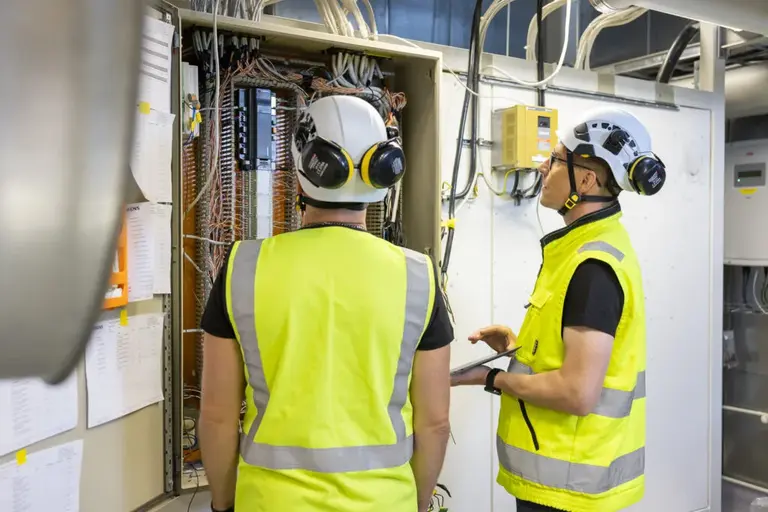
Why building automation is booming
Demand for building automation is growing across both existing buildings and new developments. Hospitals, industrial facilities and data centres are among the environments where reliable automation is becoming increasingly important.
Without effective automation and optimisation, buildings can waste energy, operating costs can rise and technical problems may go unnoticed. Automation ensures that systems operate according to actual demand, while continuous monitoring makes it possible to identify deviations before they become larger problems.
Alongside automation projects for new developments and renovations, Optimation provides a cloud-based building management service for continuous monitoring and optimisation. Nearly half of the company's automation projects are connected to the service after completion, and existing systems can be connected without a major renovation.
The business case
For customers, the value of automation is often tangible. At Micropolis in Northern Finland, Optimation's automation modernisation revealed significant energy-saving potential. The project reduced electricity consumption for ventilation by more than 50 percent and cooling energy consumption by over 15 percent.
Projects like these illustrate how building automation can help customers lower operating costs, improve sustainability performance and gain greater visibility into how their properties are functioning.
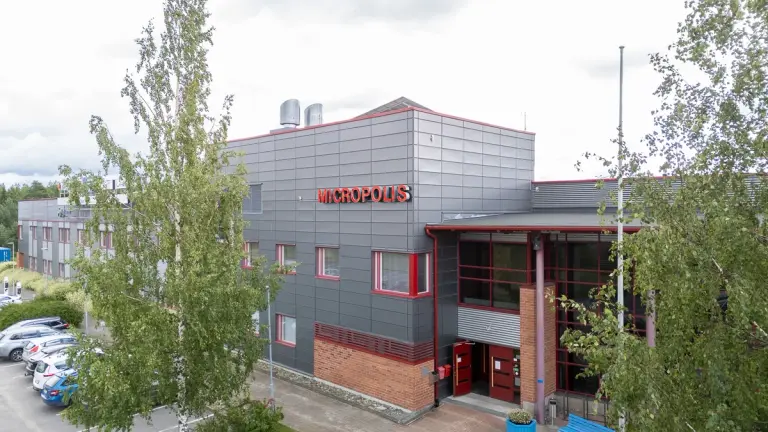
The future runs on automation
Looking ahead, Antti Rousu expects building automation to become increasingly data-driven, connected and proactive.
“Customers want better visibility and control over how their buildings perform. Data and AI will help identify problems earlier and optimise operations continuously. Within Nimlas, we can combine automation with HVAC, electrical and other technical expertise to deliver increasingly integrated solutions,” says Antti Rousu.
For Optimation, developments in the industry create opportunities well beyond traditional automation projects. As customers seek more integrated and intelligent technical solutions, collaboration across the Nimlas Group will become an increasingly important competitive advantage.
Latest news

Tiina Koppinen: Growth starts with strong local companies
As CEO of Nimlas Finland, my key priority is to make sure the Nimlas engine runs smoothly across the country.

